Author: Michael | OE8YML
KiwiSDR: The Global Network of Open HF Receivers
Imagine being able to access a shortwave receiver in New Zealand from your living room, simultaneously open a second one in Japan, and triangulate a signal with a third in Scandinavia — all in your browser,…
Show us your boxes: the repeaters of CarinthiaMesh and the people behind them
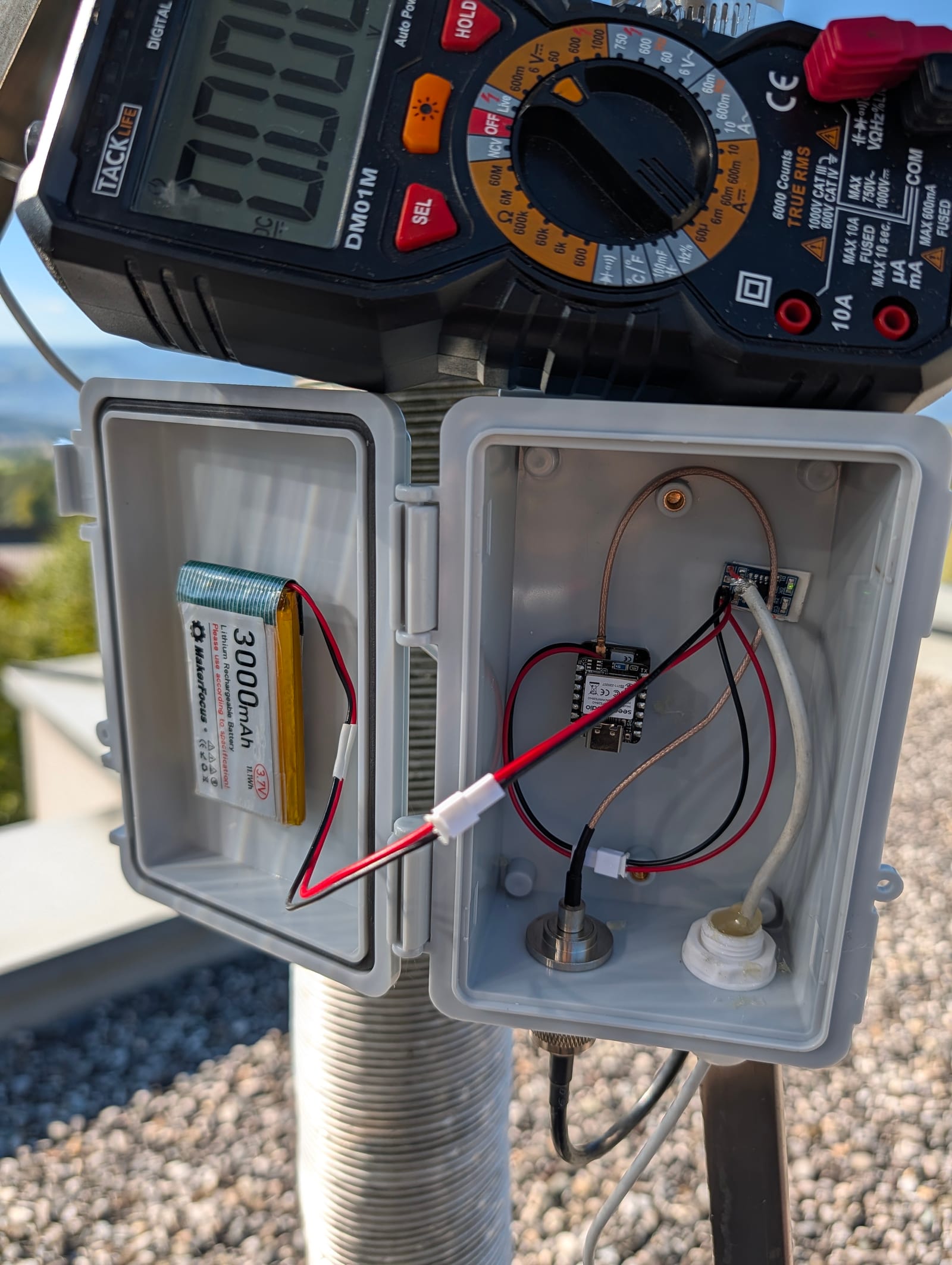
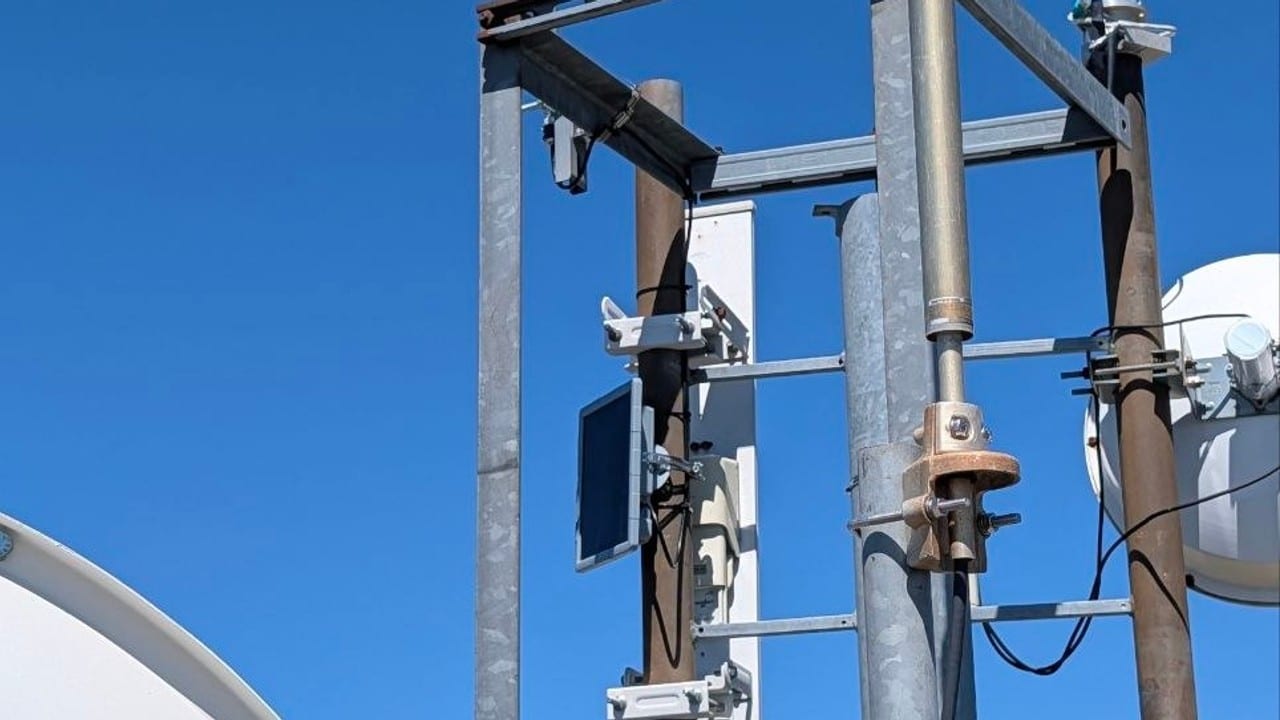
Just before midnight on 22 August, a request went out in the Carinthian MeshCore channel: show us your repeaters. What came back is a stock-take in pictures: 37 active sites built from garden lamps, 18650 cells and a fair amount of climbing.
23-cm Band and Higher: Microwave Bands Entry
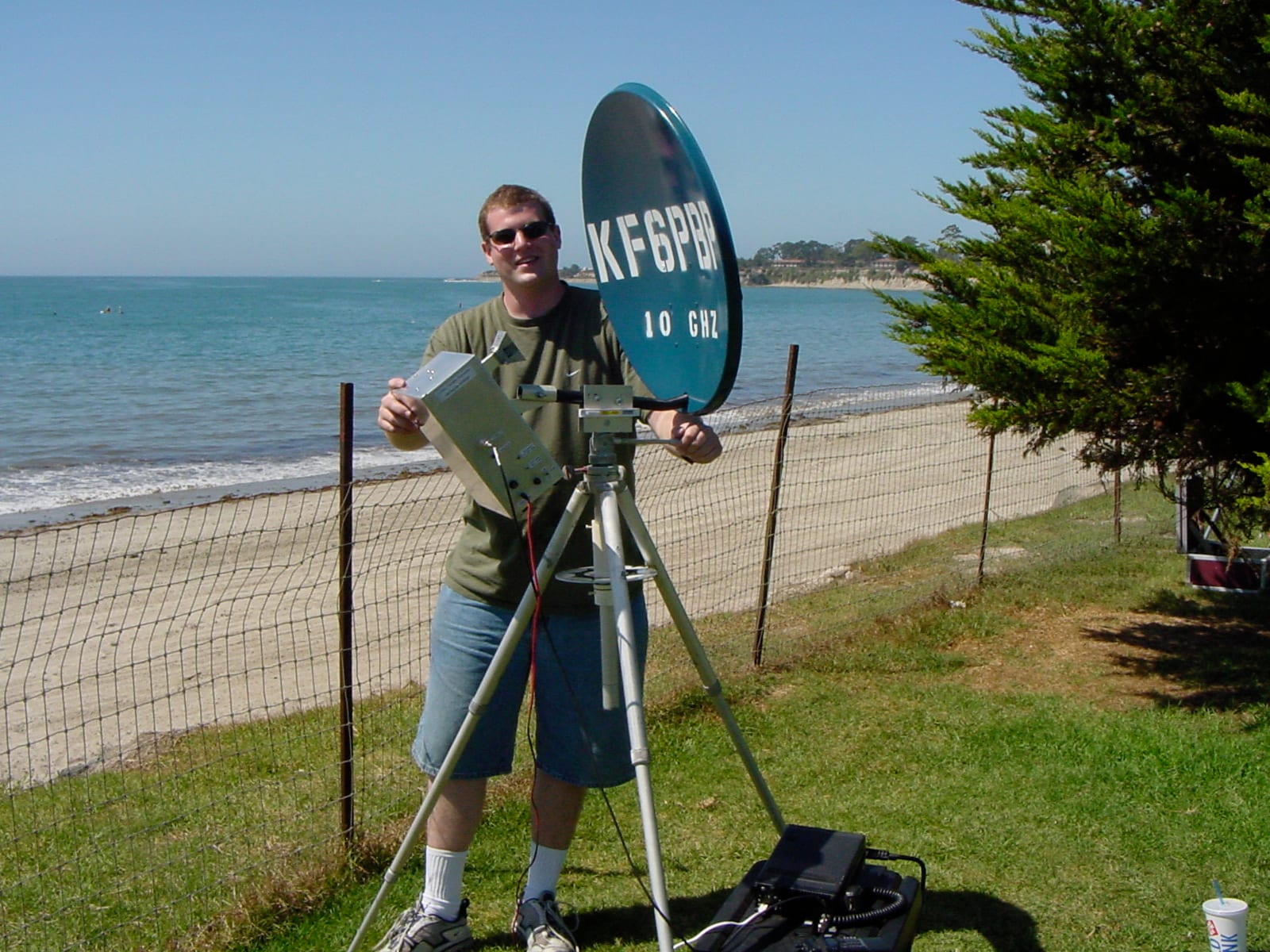
Above 1 GHz begins the part of amateur radio where you still aim antennas by hand. What is left on 23 cm in Austria after the power restriction, what CEPT decided in 2025, and why the easiest entry today runs via QO-100.
Meteorscatter on VHF: Short Bursts for DX
Meteorscatter uses meteor trails for VHF DX. Ionized trails reflect VHF signals for 0.1-10 seconds. Best during meteor showers (Perseids, Geminids). MSK144 mode optimized for short bursts. Equipment: VHF transceiver, 100W+, high-gain Yagi, WSJT-X software. Range:…
10 days of radio roadtrip with an abrupt ending
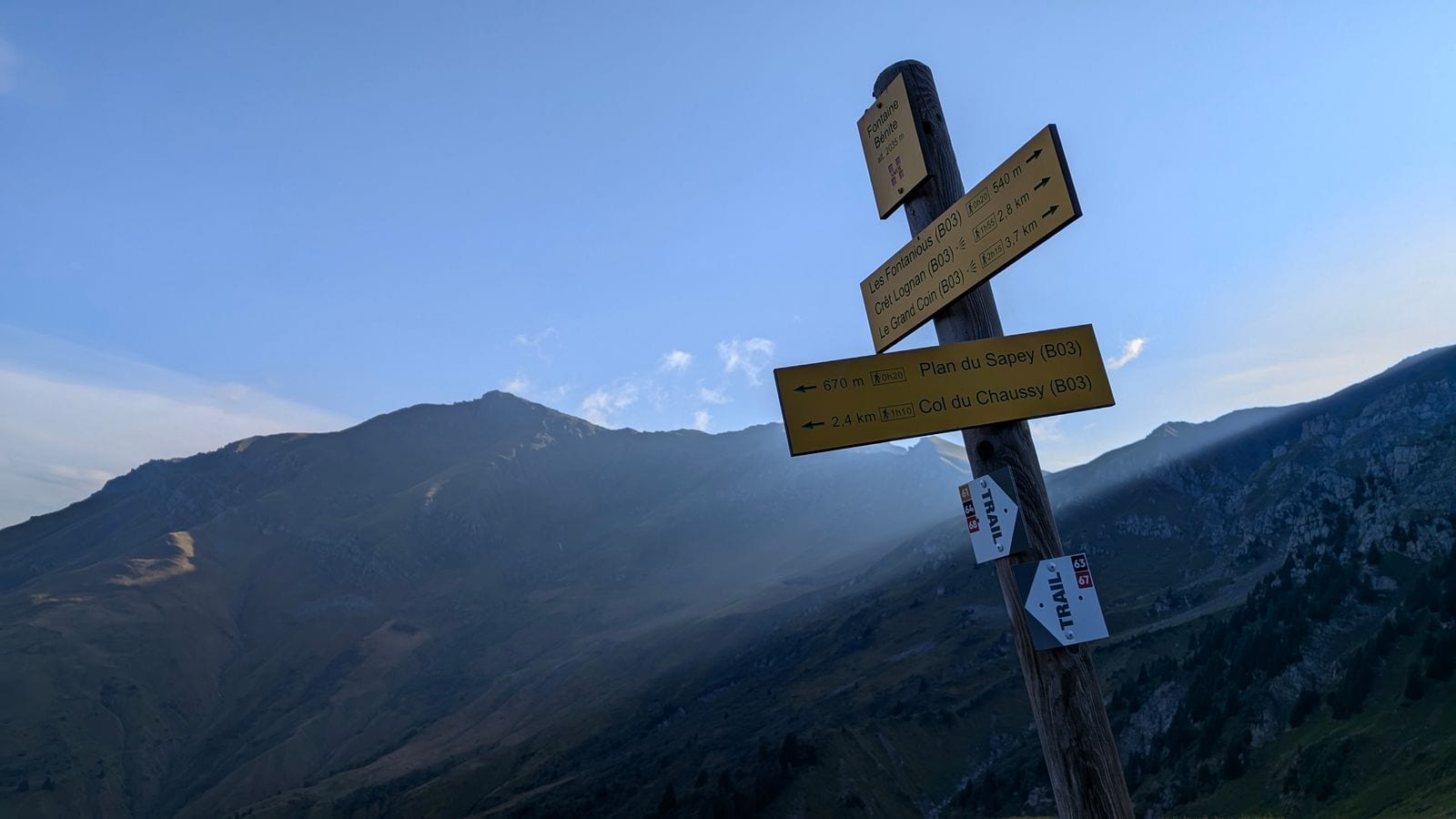
30 activations, around 3000 kilometres and 38 hours of pure driving time: Sigrid Magdalena OE1YLS originally wanted to activate three 4000-metre summits in Switzerland and ended up in the Bayrischer Wald, in the Elsass and in the French Alps instead. Until a lost phone brought the trip to an abrupt end.
Running OpenWebRX+: Your Own Web-Based SDR Server
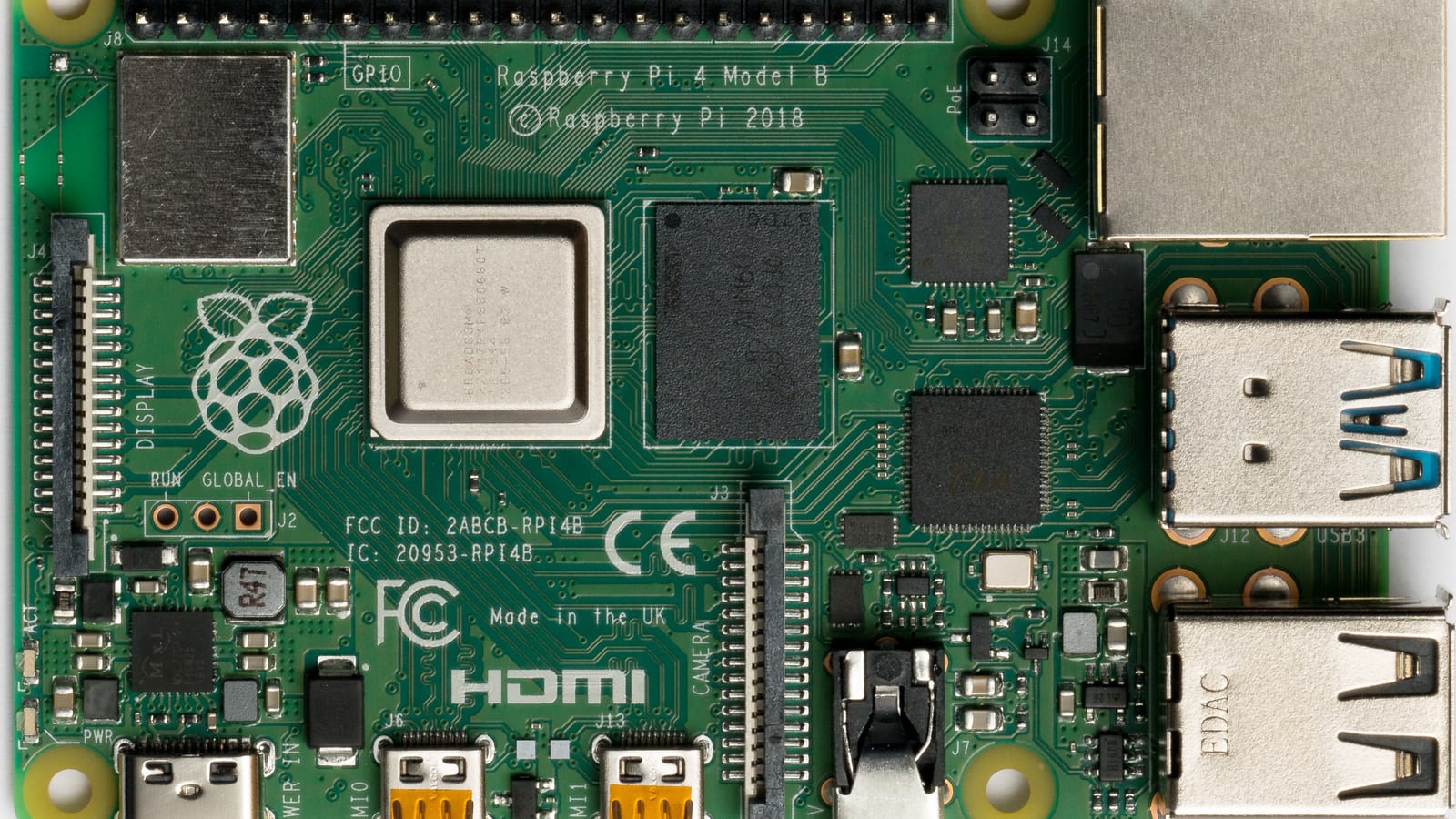
Imagine sharing your radio receiver with the entire world — directly through a web browser, without anyone needing to install software. That is exactly what OpenWebRX+ enables: an open-source project that turns a Raspberry Pi and…
SOTAmesh: SOTA spots on the MeshCore network, even without internet
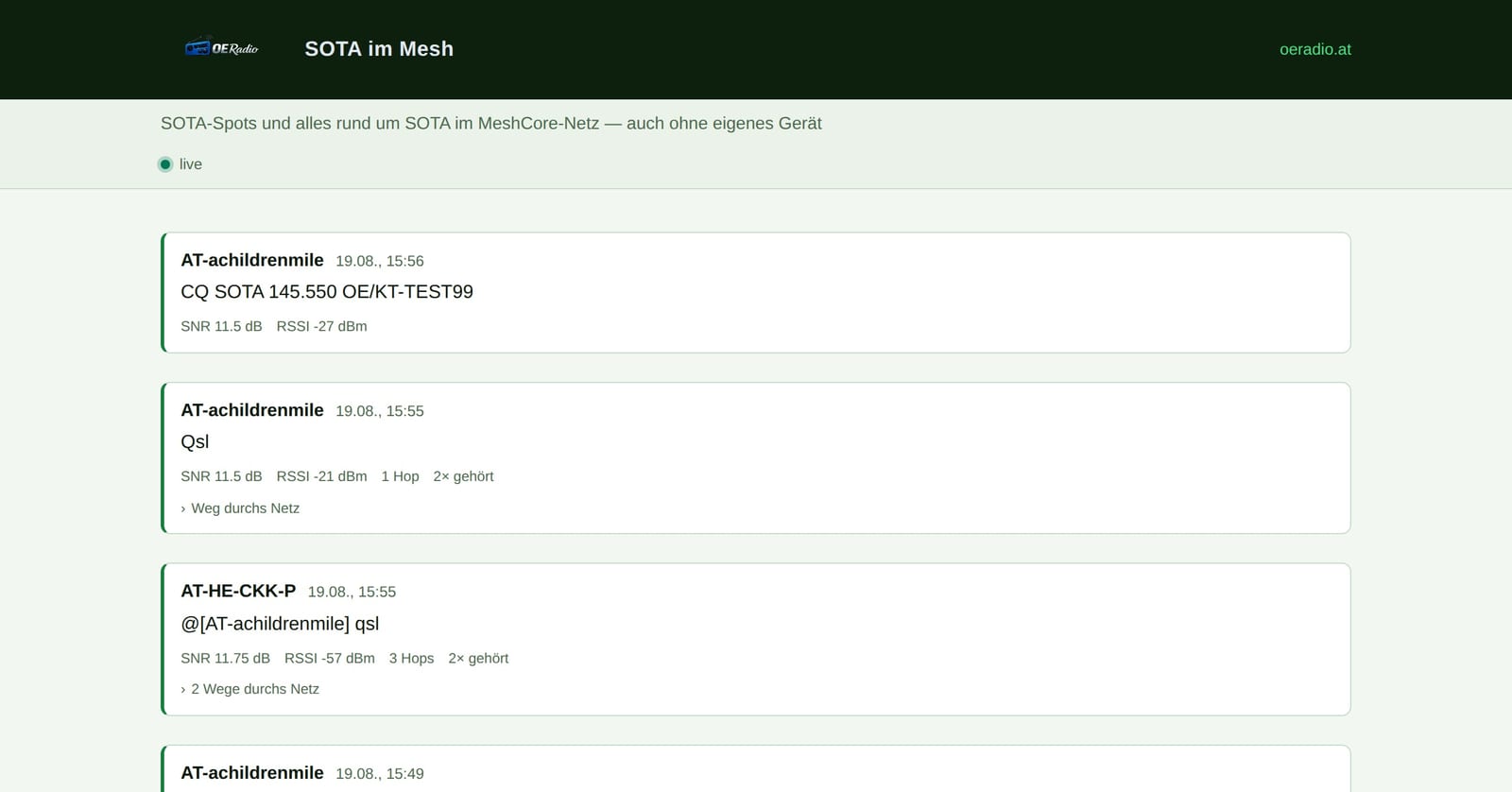
The antenna is up, the phone shows no bars, and the spot never goes out. That is exactly what the new MeshCore channel #sota is for, and SOTAmesh is the web page where chasers can follow it live.
P25 and NXDN: Commercial Standards in Amateur Radio
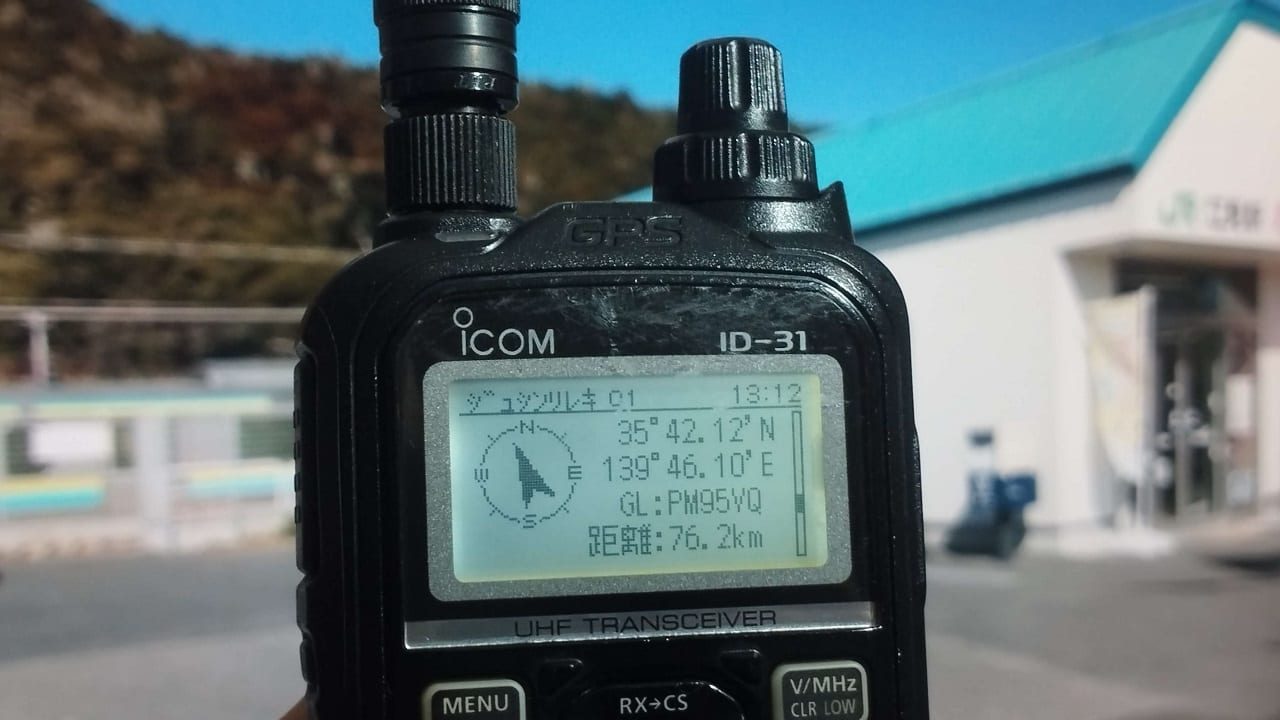
P25 and NXDN are commercial digital radio standards used in amateur radio. P25: public safety standard with FDMA/TDMA. NXDN: Icom/Kenwood, 6.25 kHz narrowband, efficient. Important: Encryption prohibited in amateur radio! Use only unencrypted mode. 73 –…
126.9 Kilometres on Half a Watt: How Carinthia's Mesh Network Grew to 32 Sites in Two Weeks
126.9 kilometres from the Koralpe into Slovenia, sent with half a watt. There is no provider and no mandate behind it, just eight people carrying boxes up mountains. A stocktake with numbers, and with what the numbers do not say.
D-STAR Explained: Reflectors and Callsign Routing
D-STAR (Digital Smart Technologies for Amateur Radio) was the first digital voice system designed specifically for amateur radio — and it is still in daily use. This article explains what happens under the bonnet: how the…
Legendary Amateur Radio Transceivers – Radios That Made History
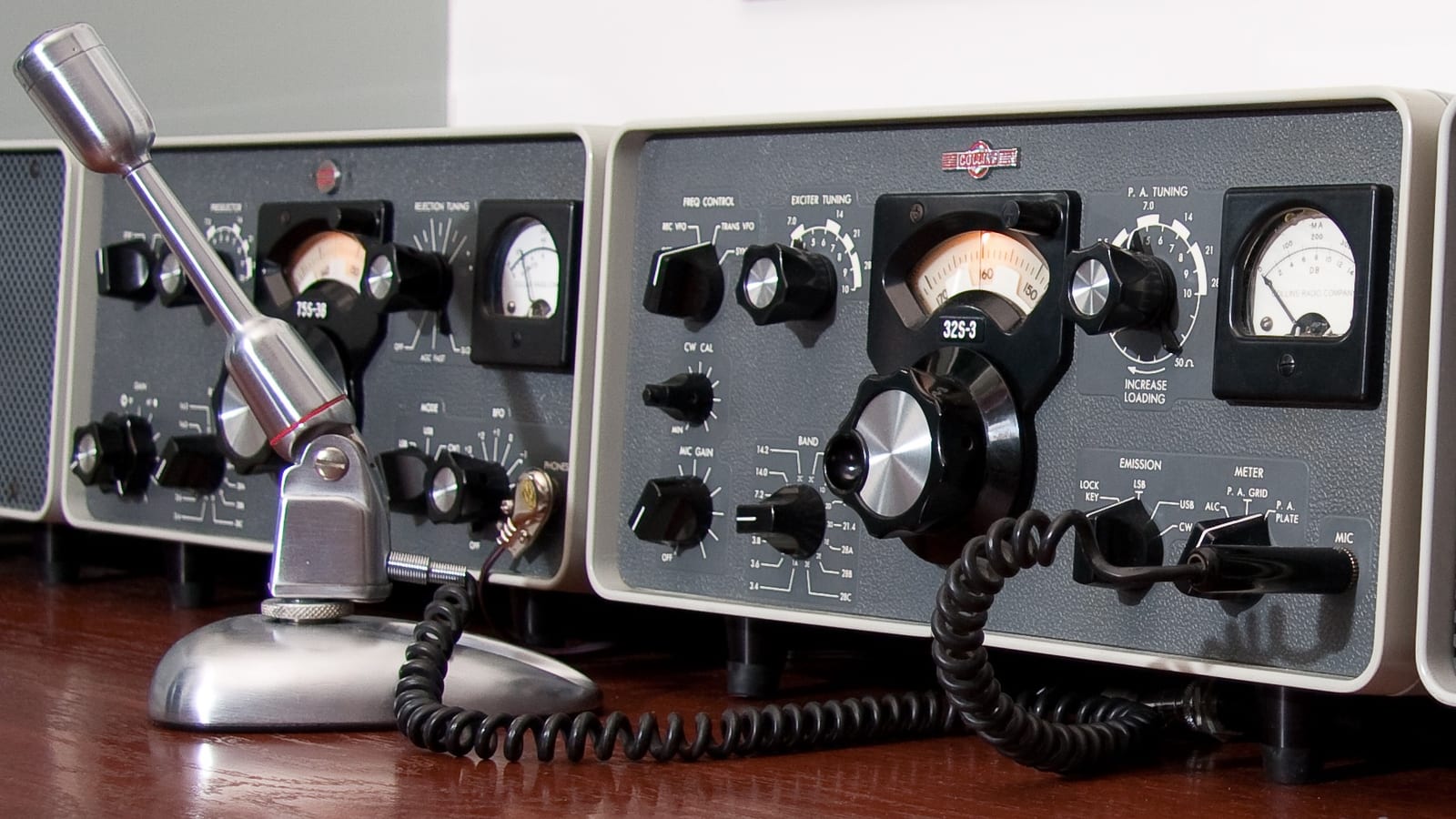
Some amateur radio transceivers are more than mere technology — they are milestones that fundamentally changed the hobby. From the glowing valves of the post-war era to the Software Defined Radios of today, certain transceivers have…
IOTA (Islands on the Air): Island DXing and Awards
First the awkward news: Austria has not a single IOTA island. Not the Donauinsel in Vienna, not the islands in Lake Wörthersee, none at all. Anyone in OE who wants to activate an IOTA reference has…